
Elora, ON
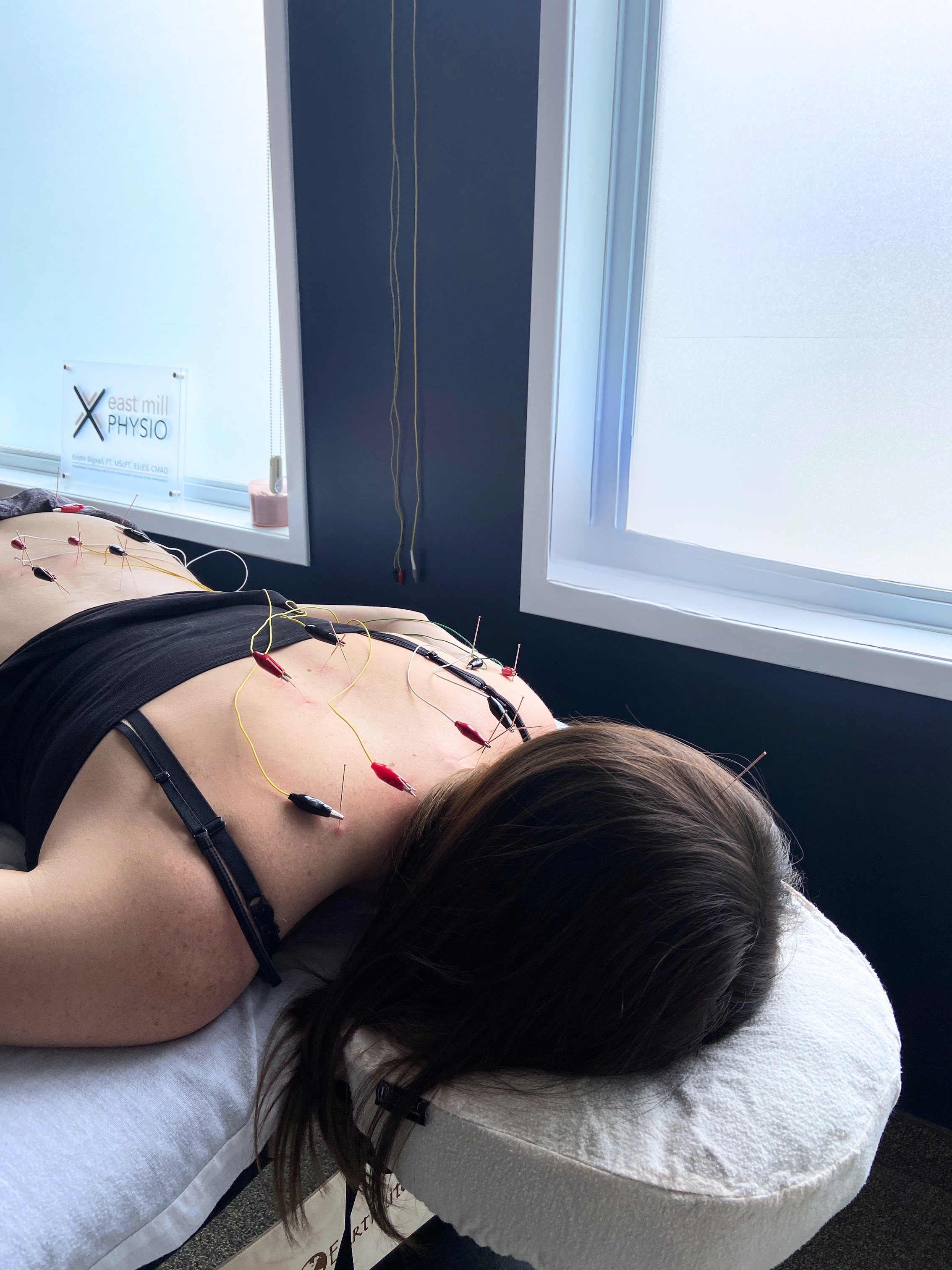

PERSISTENT PAIN PHYSIO.
When you've tried everything and the pain persists, there's a reason and we are here to help you find it. We assess & treat the nervous system, where persistent pain truly lives, so you can get back to doing what you love, feeling good, for good.
"I swear she's a wizard"
Kristin is amazing! Her bedside manner is excellent and she’s been able to help me through a few injuries and provide excellent treatment and options for long-term issues.
I swear she’s a wizard and her particular practice has been so helpful for me! If you’re struggling with ongoing injuries or pain don’t hesitate to give her a call! - EMP Client

"I have seen dozens of professionals, [...] with little to no relief. [...] by the 3rd session, I had ZERO pain and full mobility"
Kristin is amazing! I first began seeing her for serious neck pain from when I was a young gymnast. I have seen dozens of professionals, ortho, chiro, physio and everyone in between and with little to no relief. I had not been able to tip my head back for over 25 years. After literally the first session, I had more than 80% mobility return and 80% less pain, by the 3rd session, I had ZERO pain and full mobility. This was pain I thought I would live with forever. Thank you Kristin, you are truly one of a kind! - Dr. Shawn Haywood
"she introduced new techniques and exercises that finally helped me feel real relief"
I only have the best things to say about Kristin! She is extremely knowledgeable, patient, and thoughtful in her approach. I’ve had lower back pain for a while, and she introduced new techniques and exercises that finally helped me feel real relief and get back toward my exercise goals! - EMP Client
Is this you?
ARE YOU TIRED OF MANAGING YOUR PAIN INSTEAD OF ACTUALLY GETTING RID OF IT?
You've done it all ...
You've seen your favourite physio, chiropractor and osteopath. You've tried the massage therapist your best friend swears by. You've been diligent with your stretching routines, and physiotherapy exercises. You've tried resting.
And it helps... for a little while.
But then the pain comes back.
And you start to wonder: Is this just what getting older feels like? Spoiler ... it's not.
YOU DESERVE AN APPROACH THAT MATCHES YOUR EFFORTS
You're not someone who gives up easily.
You show up. You put in the work. You push through when things get hard. And if you're being honest with yourself, you tend to thrive with a good challenge.
But no matter how disciplined you are, the pain keeps finding its way back. And it's starting to wear on you, not just physically, but mentally.
You're modifying workouts you used to do without thinking. You're skipping activities you love because you're not sure your body can handle it. You're googling your symptoms at midnight and landing on answers that range from unhelpful to terrifying.
And somewhere in the back of your mind, a quiet voice is asking: What if this is just the way it is?
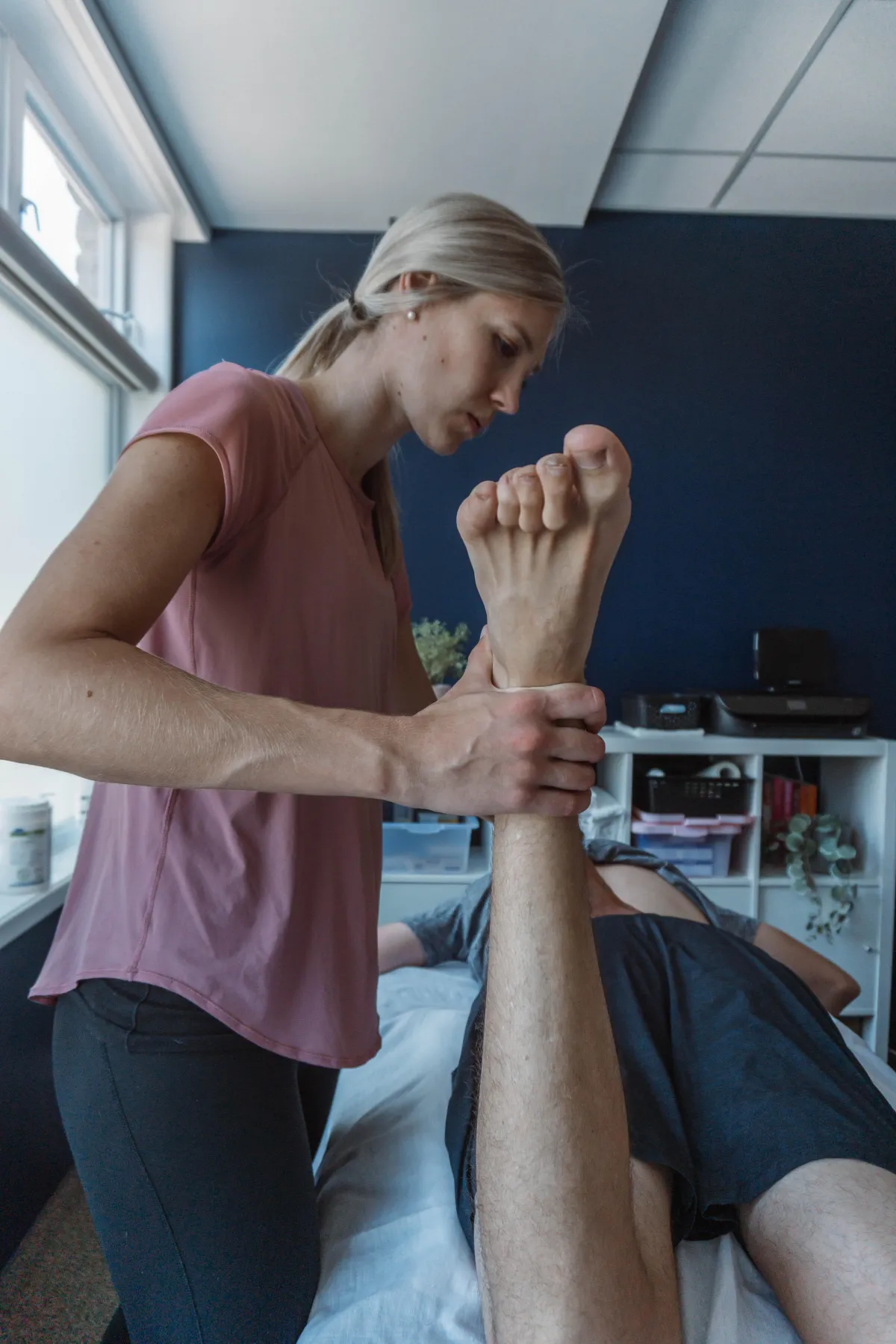
CAN YOU RELATE?
You are not alone.
If you've been in pain for a long time, there's a good chance you've been working incredibly hard to get better and still not getting there. That's not a failure of effort. It's a sign that something deeper hasn't been addressed: the way your nervous system has learned to stay in protection mode, and whether your body has the metabolic foundation to actually heal. Until both are part of the conversation, the cycle tends to continue. If that is you, you are in the right place. We can help.
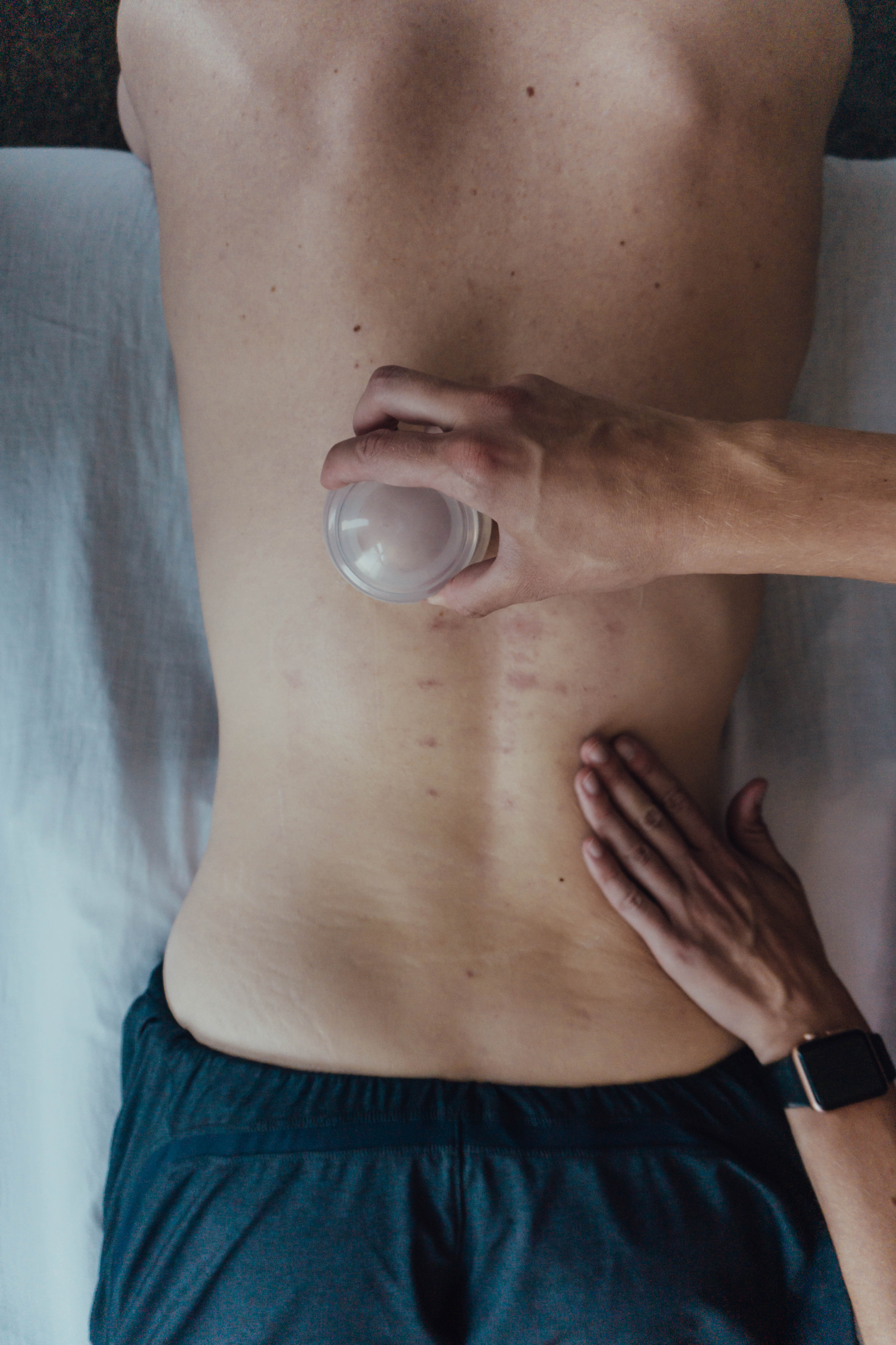
HERE'S THE TRUTH:
The fact that you've tried so many things and still have pain doesn't mean you're broken or that this is simply the cost of an active life.
It means you haven't found the right approach yet.
Most pain treatment focuses on the tissue that hurts, and if you're lucky, the underlying biomechanics. And while that IS important, it's only part of the picture. At East Mill Physio, we look deeper, at the two systems that most practitioners overlook entirely: your nervous system and your metabolism.
Your nervous system is where persistent pain lives. It's where your body learns to protect you, sometimes long after the original injury has healed, and until that's addressed, the pain cycle continues no matter how diligently you follow your rehab.
Your metabolism is equally important and far less talked about. How your body manages energy, inflammation, blood sugar, and recovery has a profound effect on how you feel, how you heal, and how you perform. Fatigue that never quite goes away, slow recovery between workouts, or pain that flares seemingly out of nowhere often have a metabolic piece to them that no one has looked at... yet.
WE ARE HERE TO TEAM UP WITH YOU
We don't just treat your symptoms. We work to understand the full picture of why your chronic pain has persisted, and we collaborate with the other practitioners on your healthcare team to make sure nothing falls through the cracks.
This is what getting to the root of it actually looks like.

Kristin Bignell
Founder
Teen whisperer
Volleyball enthusiast
Dog mom

Doris Folkens
Avid Skier
Multi-day trekker
Fiddle Player
Hillside Girls & Guitars Instructor

Kim Orquiola
Client Care Coordinator
Avid Reader
Sunset Chaser
BC Local
you deserve to have:
A clear explanation of why your pain has persisted, including the nervous system and metabolic factors that are so often missed, so you can stop second-guessing yourself and start trusting the process.
A treatment approach that goes beyond muscles and joints, addressing the systems that drive real healing: your neurological system, your metabolism, you biomechanics and your overall health, so that relief actually sticks.
A true partner in your care: someone who takes your full history seriously, communicates with your existing healthcare team, and builds a plan around you, not just your symptoms.
PERSISTENT PAIN PHYSIOTHERAPY IN ELORA
It is 100% possible for you to go:
from:
to:
Relying on Advil to get through Monday night pick-up
Feeling a sense of amazement as you crush match point with seemingly little effort
Pulling yourself up the staircase after a long walk with your dog
Racing up the stairs to grab your gym bag without a thought about your knee
Worrying that your body is a ticking time bomb with all of your old sports injuries
Feeling a complete sense of trust in your body as you agree to a co-ed tournament

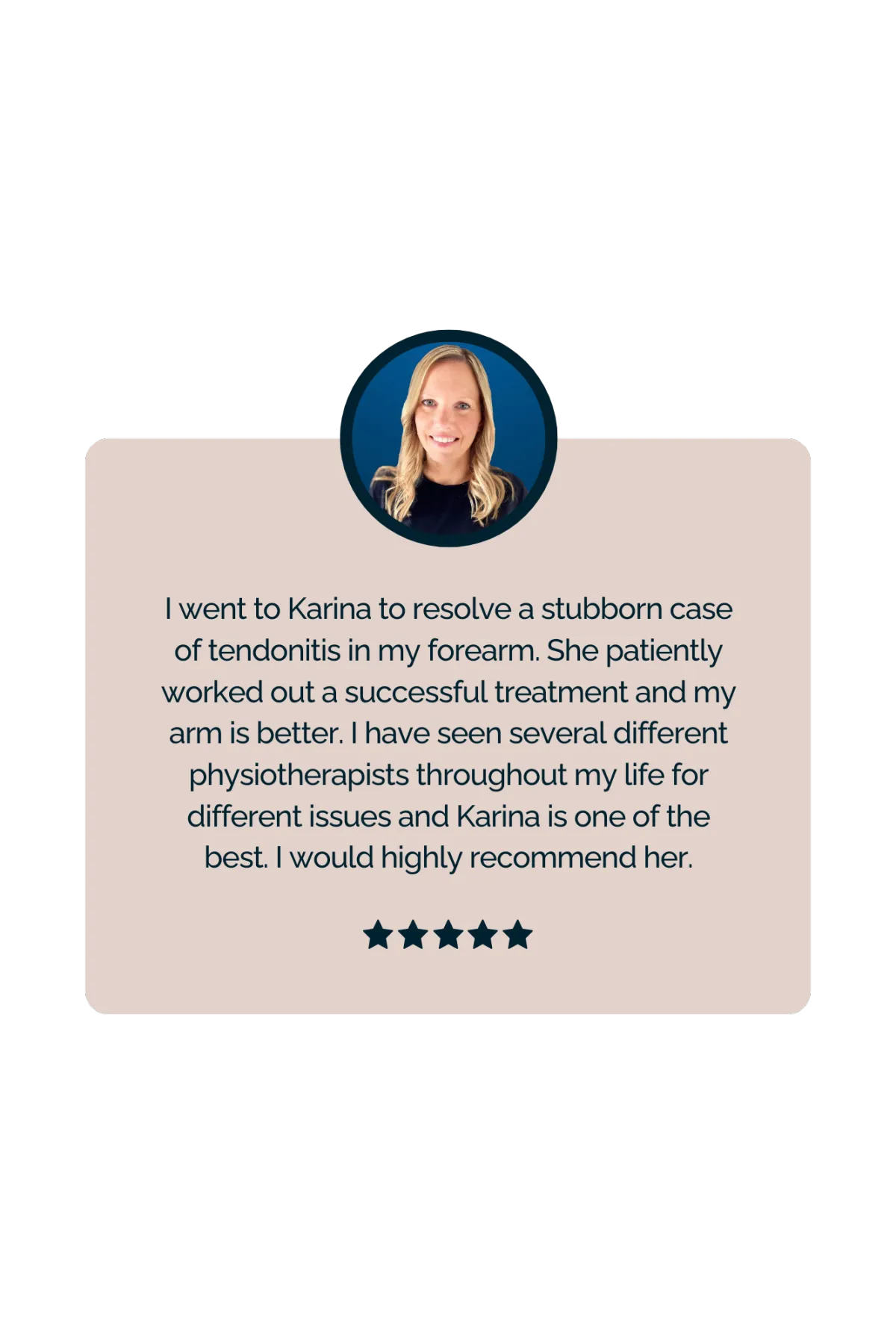
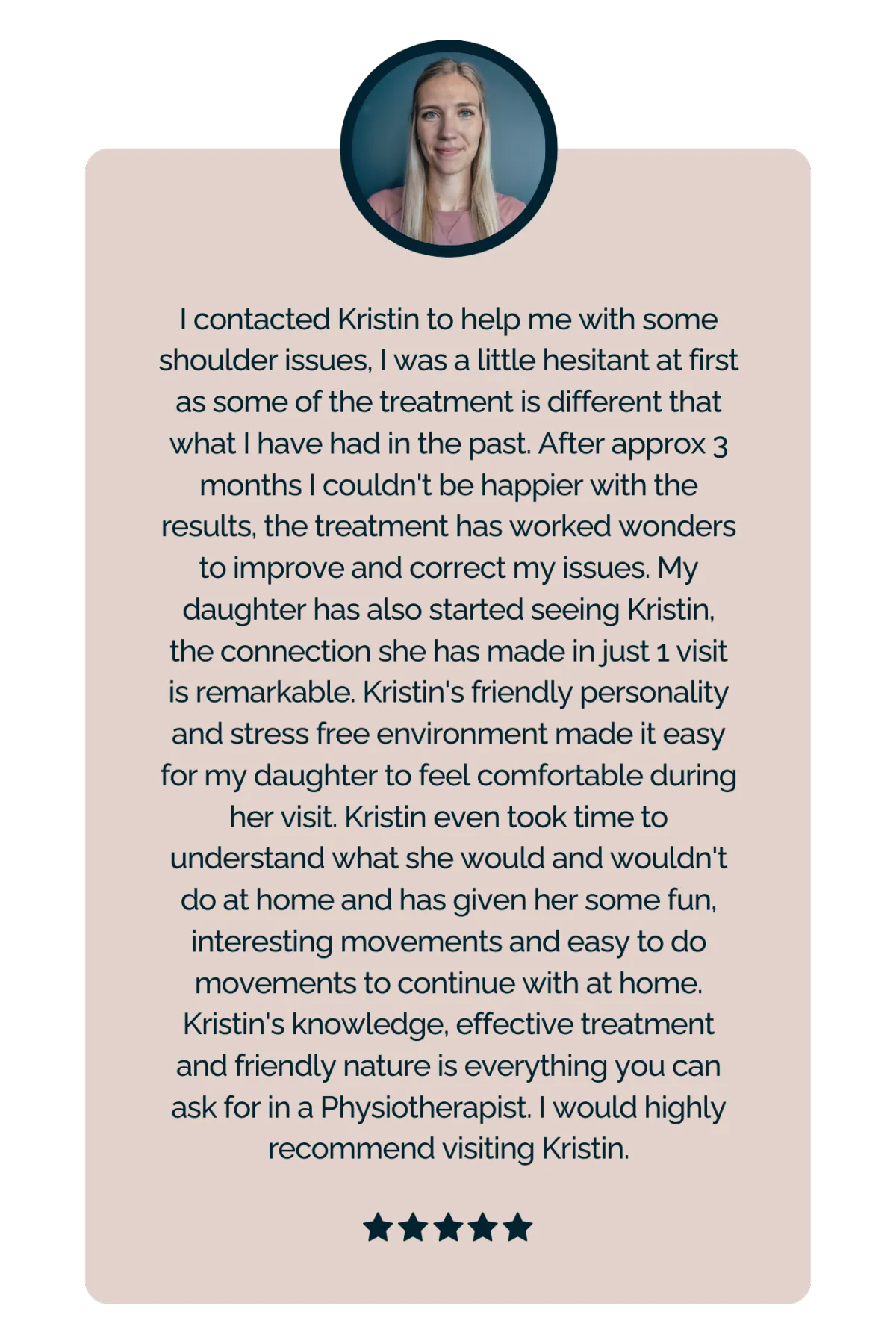

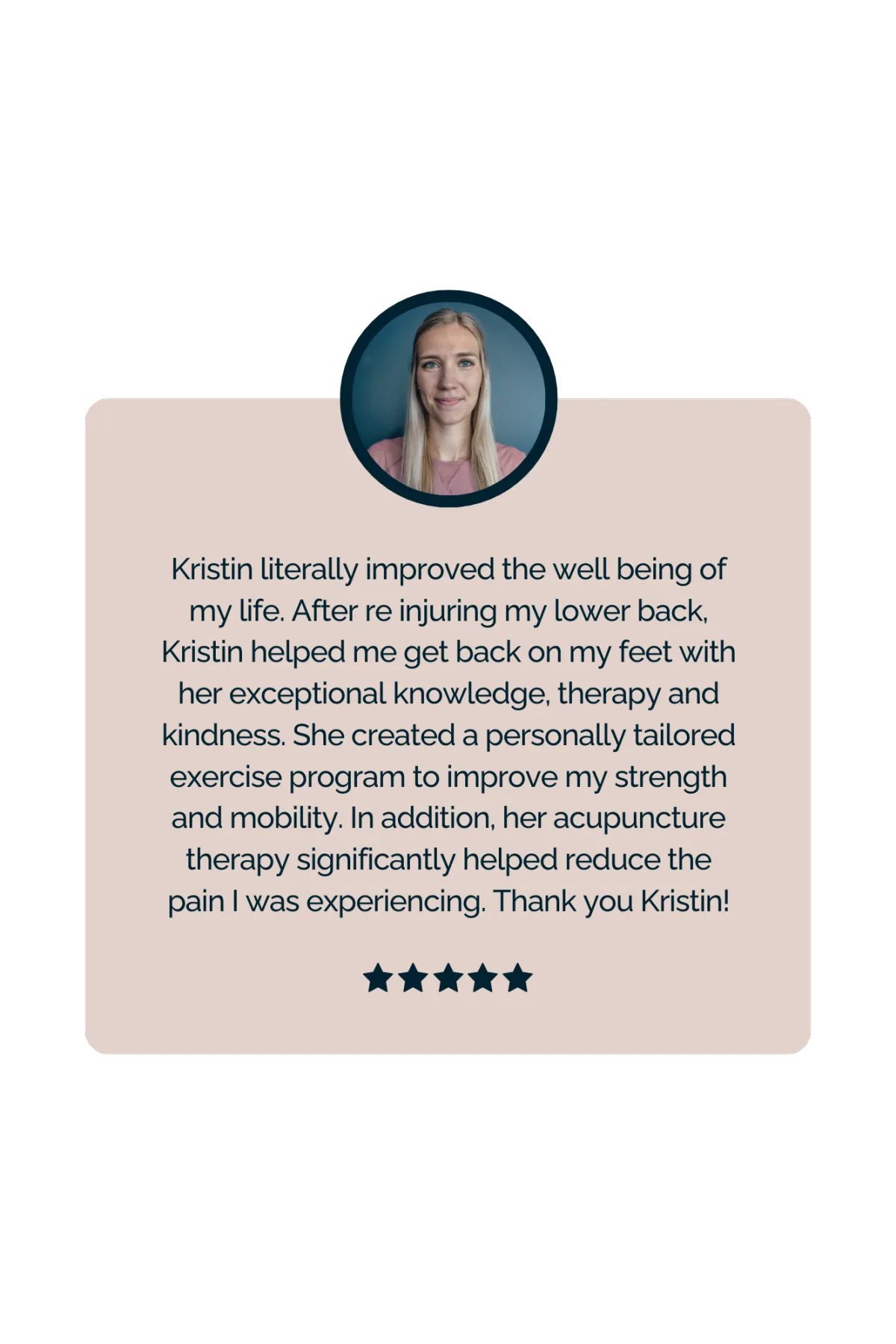
get out of pain and get back to doing the things you love
We are here to support you and guide you through the process. Pain and injury are no fun, but physical therapy can help you get back to doing the things you love and feel better than ever on the other side.
Ready to get started? Book a Physical Therapy appointment using our online booking system.
If you are feeling hesitant, wondering if East Mill Physio is the right place for you, or if it is even the right time to start Physical Therapy, please contact us and we would love to chat with you, answer any questions you may have and see if it feels like a good fit.

Why does my pain keep coming back even when I do everything right?
Because doing everything right at the tissue level, the stretching, the strengthening, the physio exercises, doesn't necessarily address the two systems that drive persistent pain: your nervous system and your metabolism. Your nervous system can learn to stay in protection mode long after the original injury has healed, continuing to generate pain signals even when there's no longer tissue damage to protect. Your metabolism, specifically how your body manages inflammation, blood sugar, and recovery, can either support healing or quietly work against it. Until both are part of the treatment plan, the cycle tends to repeat no matter how diligent you are.
Is it normal to still have pain after months of physiotherapy?
It's common, but it's not something you should accept as your new normal. If you've been consistent with treatment and not seeing lasting results, it usually means one of two things: either the underlying driver of your pain hasn't been identified yet, or the treatment has been focused on the site of pain rather than the system generating it. Persistent pain that doesn't respond to standard approaches is almost always a nervous system story, and that requires a different assessment framework, not just more of the same.
Can I keep training while dealing with persistent pain?
In most cases, yes, and in fact, strategic movement is often part of what helps resolve it. The goal isn't to stop doing what you love, it's to understand what's driving the pain well enough that you can train intelligently around it while the underlying issue gets addressed. Blanket rest rarely fixes persistent pain and often makes things worse by reinforcing the nervous system's protective patterns. What we aim for is a clear picture of your capacity right now, a training approach that doesn't aggravate the problem, and a treatment plan working in parallel to expand that capacity over time.
What's the difference between treating persistent pain and treating a regular injury?
With a new injury, the pain signal maps directly to tissue damage, and the goal is to support healing and restore normal function. With persistent pain, that direct relationship has often broken down. The nervous system has become sensitized, meaning it's generating pain signals that are no longer an accurate read of what's happening in your tissues. That's not a psychological issue, it's a neurological one, and it requires a different lens entirely. At East Mill Physio, we assess nervous system function directly, which gives us a far more accurate picture of what's actually driving your pain than imaging or a standard movement screen alone.
Could my metabolism be contributing to my chronic pain?
Yes, and it's one of the most consistently overlooked pieces of the puzzle. How your body manages inflammation, blood sugar regulation, sleep quality, and energy production has a direct effect on how you feel, how you heal, and how quickly you recover between training sessions. Pain that flares seemingly out of nowhere, fatigue that never quite resolves, or recovery that feels slower than it used to are often partly metabolic in origin. We look at this alongside your neurological and musculoskeletal function, because in persistent pain cases, all three tend to be connected.
I've seen physios, chiropractors, and massage therapists. Why would this be different?
Because we assess things they typically don't. Most manual therapy approaches, even excellent ones, are focused on the musculoskeletal system: joints, muscles, and movement patterns. That's important and we address it too. But if the nervous system is sensitized or there's a metabolic factor slowing your recovery, no amount of manual therapy or exercise rehab will produce lasting results. What makes our approach different is that we don't start with where it hurts. We start by asking why it's still hurting, and we have the assessment tools to actually answer that question.
How long does it take to resolve persistent pain?
It depends on how long the pain has been present, what's driving it, and how the nervous system has adapted over time. Persistent pain generally takes longer to resolve than an acute injury, and we're upfront about that. What we can say is that most clients notice meaningful changes within the first few sessions, not just temporary relief but actual shifts in their baseline. Progress tends to build on itself once the nervous system starts to feel safe enough to come out of protection mode and once motor nerves are back on track with their regular scheduled firing. We track changes session by session so you always know where you stand and what's working.
we can help
LEARN MORE ABOUT OTHER PHYSICAL THERAPY SERVICES OFFERED AT EAST MILL PHYSIO

INJURY PREVENTION & PERFORMANCE
This is for the active adult who wants to keep moving well and the parent who wants their young athlete to stay resilient, healthy, and performing at their best.

INJURY
REHAB
PHYSIO
This is for the person who wants to recover fast, get back to what they love, and make sure it doesn't happen again.

empow(HER) VIRTUAL
PHYSIO
This is for the adolescent athlete who is experiencing discomfort, pain or injury, looking for an empowering approach to rehab and sports performance.
STAY CONNECTED.
We respect your privacy, and you can unsubscribe at any time.
SUPPORT
LEARN
PLAY WELL, FOR LIFE.



294 E Mill St, Elora, ON N0B 1S0 | 519-900-8080
Physiotherapy serving the communities of Elora, Fergus, Centre Wellington and Surrounding Areas
© 2026 by East Mill Physio. Designed by Manifest Digital Creation